In short
- The City defines Centretown as the area from Gloucester and Lisgar Streets south to the Queensway, and from the Rideau Canal west to Bronson Avenue.
- About 25,700 people lived in Centretown at the 2021 census, in 18,291 private dwellings on 2.1 square kilometres.
- In a condo or apartment the building main may serve many units; find out who may close it before water runs.
- Ottawa homeowners reported $200–$3,800 for faucet work and $100–$800 to fix a leak (HomeStars Ottawa).
Typical prices in Ottawa
| Job | Typical range | Notes |
|---|---|---|
| Faucet repair or installation | $200–$3,800 | Ottawa jobs reported by homeowners, average $945 |
| Fix a leak | $100–$800 | Ottawa, average $450 |
| Toilet repair | $142–$1,000 | Ottawa, average $344 |
| Blocked drain | $124–$8,500 | Ottawa, average $1,112 |
Sources. HomeStars, Plumbing Services Cost Guide for Ottawa, updated 21.08.2026, seen 29.10.2026. City of Ottawa, Causes of basement flooding, seen 29.10.2026. City of Ottawa, Projects not requiring building permits, seen 29.10.2026. City of Ottawa, Water meter FAQs, seen 29.10.2026. Ontario e-Laws, Residential Tenancies Act, 2006, s. 20 and 21, seen 29.10.2026. Water Canada, Combined Sewage Storage Tunnel Now Operating in Ottawa, 23.11.2020, seen 29.10.2026. Area facts: Wikipedia, Centretown, read 29.10.2026.
The core, as the City draws it
At the 2021 census Centretown south of Gloucester had 25,687 residents in 18,291 private dwellings on 2.1 square kilometres, about 12,200 people per square kilometre.
Bank and Elgin are mainly commercial; MacLaren and Gladstone are mostly residential. Much of the area still has original single-family homes, mixed with newer infill, townhouses, and low-rise and high-rise apartments. A condo boom from the late 1990s changed the blocks north of Cooper Street. The census count is hard to fix because many students and Hill staffers live there for a limited time.
Older houses, towers and rentals
A plumber reads those building types differently. A house has its own shut-off and its own lateral. A condo or apartment building has shared mains and a corporation that controls who may shut them. A rental has a landlord who decides who enters.
Tenancy law weighs on many Centretown jobs. Section 20 of the Residential Tenancies Act keeps a rental in a good state of repair, fit to live in, as the landlord’s duty; section 21 bars withholding a vital service such as water. If you rent, report the problem to the landlord in writing, and give the landlord’s contact in the request so the company can arrange access.
Shut-offs in a shared building
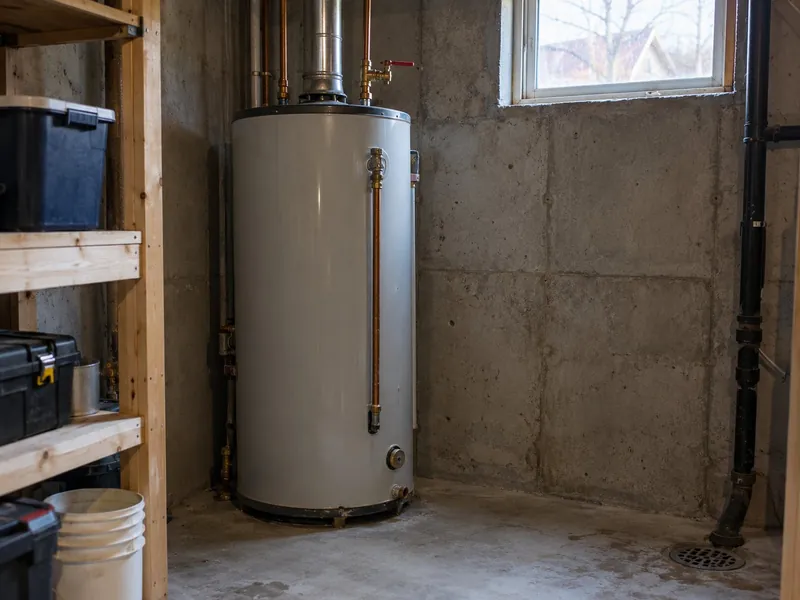
A rowhouse has its main valve in the basement, where the service pipe comes in. In an apartment or condo, ask the property manager where the unit valve is and who may close the building main. A shut-down may need notice.
Put elevator booking, contractor hours and loading rules in the request.
Sewers under older blocks
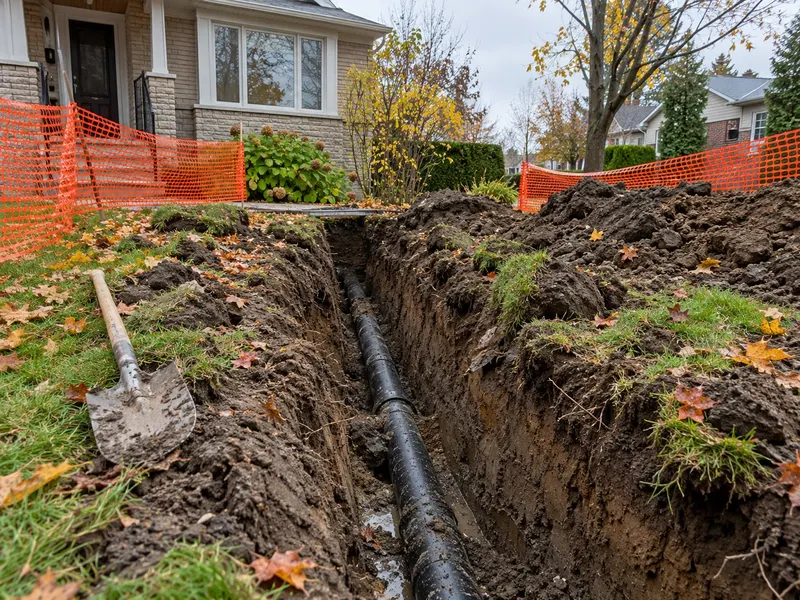
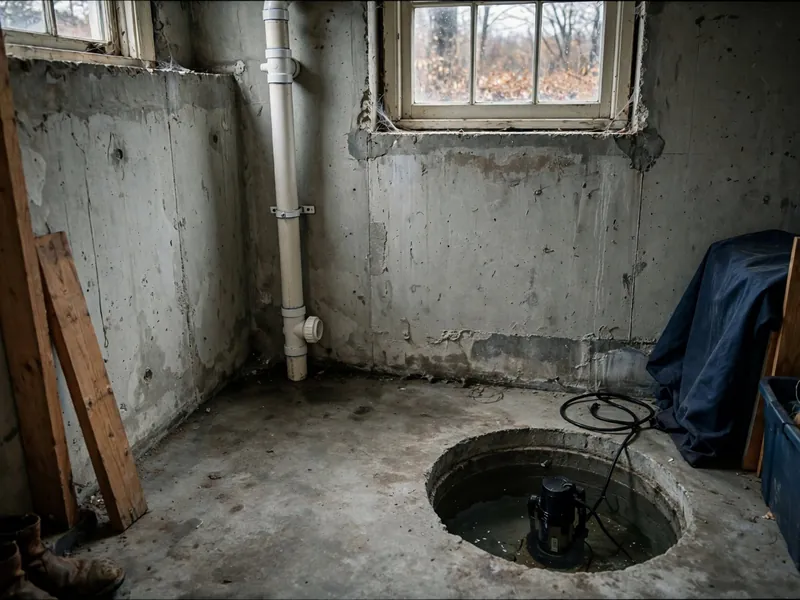
The City describes three sewer layouts. In a combined sewer area, older buildings have no foundation drains, no storm sewer, and one pipe that carries sanitary flow, foundation water and street runoff. The flooding risk there comes from the combined sewer. In a partially separated area, the risk comes mainly from the sanitary sewer. New infill in older areas may have modern connections.
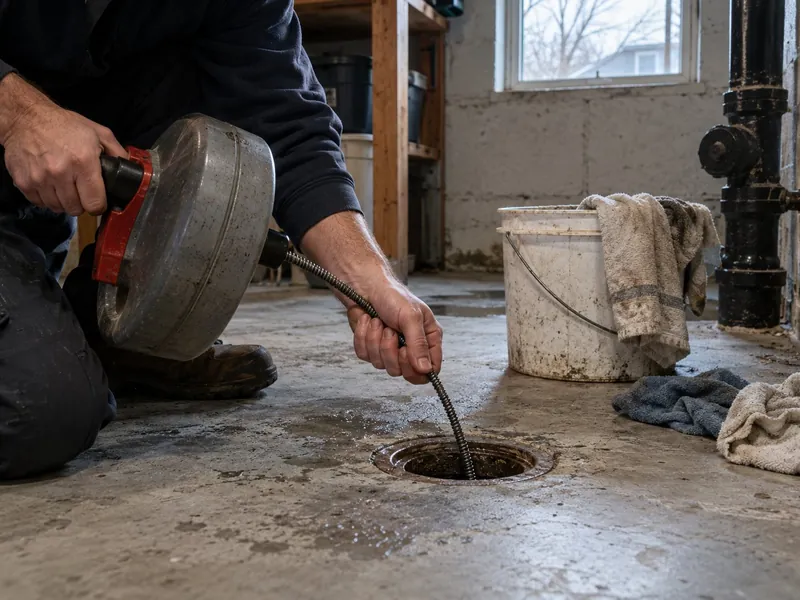
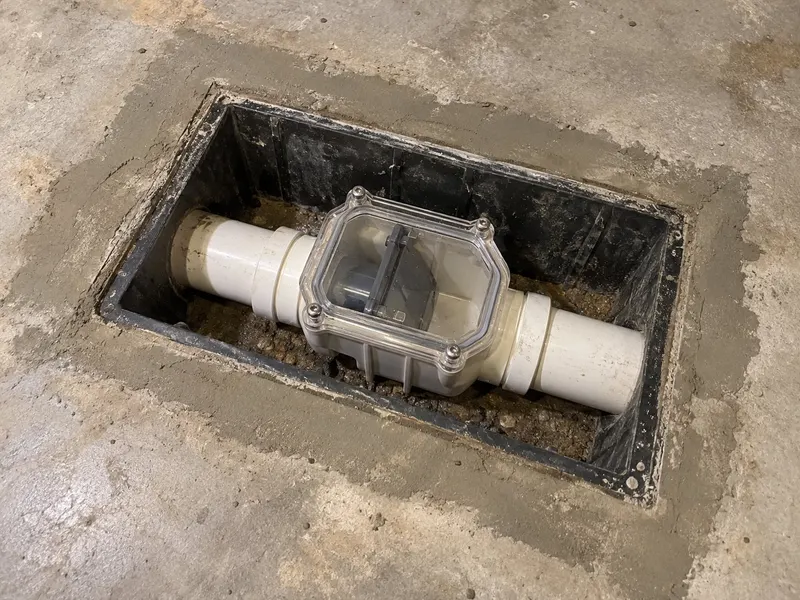
The Combined Sewage Storage Tunnel, 6.2 kilometres of interconnected tunnels, began operating in November 2020. The City says it reduces the basement flooding risk for about 7,000 residential properties in the north end of the Glebe and in Centretown. The owner still looks after the lateral and any backwater valve, so ask the company about both. See the backwater valve page and our basement flooding guide.
Leaks and fixtures in older units
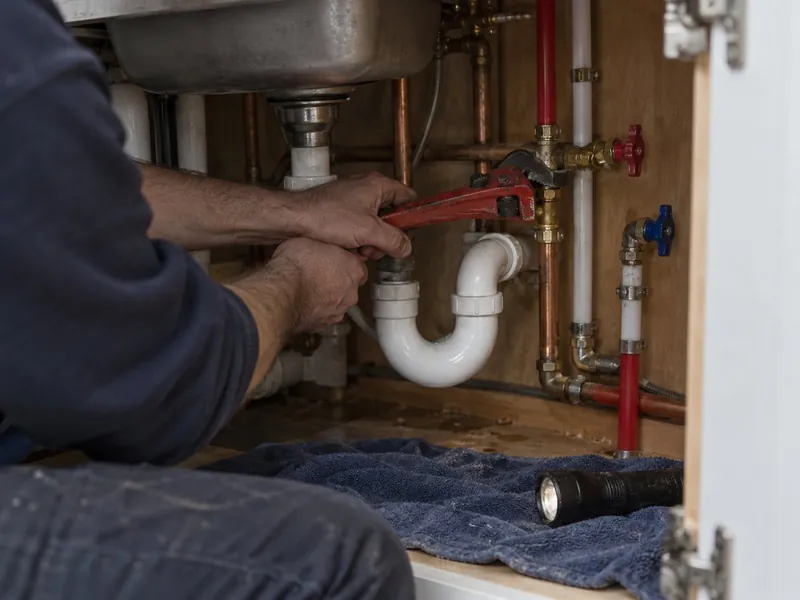
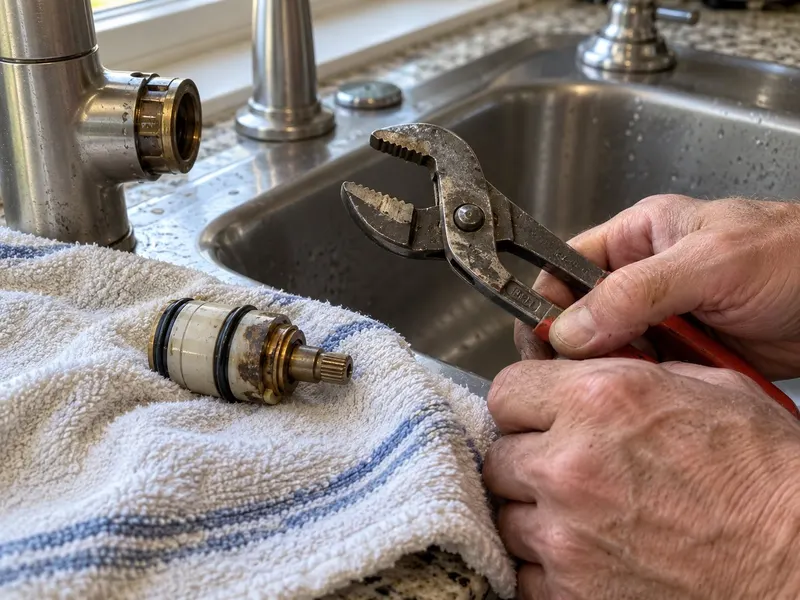
A leak in an upper unit shows first as a stain on the ceiling below. Close the unit valve if you can reach it, and call. On the HomeStars Ottawa list a leak fix averages $450 within $100–$800, and faucet repair or installation $945 within $200–$3,800. The guide excludes extra material and labour; see the leak repair page and the faucet and toilet repair page for the visit.
Renovating a rowhouse
Rowhouse kitchens and baths get redone often. A new vanity or kitchen cabinets over the same drains, or a tank-for-tank water heater swap, stays off the City’s permit list. Moving a sink, a toilet or a shower puts the job on a different footing. Our plumbing permits guide shows when the City is involved.
Who you are dealing with
Downtown jobs often need a property manager, a landlord and a plumber to agree. Ottawa Plumbing Desk brings in only the last of those: one independent company that works the core, which phones you, sorts access and the building main, and prices the work.
Questions to ask the company
- Who in my building may close the main, and how much notice does the property manager need?
- For an older house, which parts will you bring on the first visit?
- If you open a wall or ceiling, what is included in the quote for closing it?
- Will the written price list labour, parts and HST?
Have this ready for the call
- Street address, unit number and the nearest main street: Bank, Elgin, Bronson, Somerset or Gladstone
- If you rent, the landlord's or property manager's contact
- Building rules for contractors: elevator booking, work hours, a loading zone
- Photos of the problem and, for a leak, of the ceiling or wall below the unit
Questions people ask
Which streets does Centretown cover?
Gloucester and Lisgar to the Queensway, the Canal to Bronson, by the City’s map. This page also takes requests from the Golden Triangle and the core north of Gloucester, which listings often count with it.
Does the downtown sewage tunnel remove the need for a backwater valve?
The City says the Combined Sewage Storage Tunnel, in operation since 2020, reduces the basement flooding risk for about 7,000 residential properties in the north end of the Glebe and Centretown. The City still asks owners to maintain any protective device they have, so ask the company about yours.
My landlord says the leak is my job. Is that right?
Usually it is the landlord’s. Ontario’s Residential Tenancies Act puts repair on the landlord, and that holds even when the tenant knew of the problem before moving in. Put the report in writing, and give the landlord’s contact in your request.
We are moving the kitchen sink in our Centretown rowhouse. What changes?
The cabinet swap alone is permit-free; moving the sink is new plumbing. Ask the company and the City before work starts, and read the permits guide linked below.
Why do some old downtown houses have no foundation drain?
Many were built before storm sewers reached their street. In the City’s combined sewer areas a single pipe takes everything, so older buildings were never given a separate foundation drain. Give the build year so the company can plan the first visit.