In short
- A national guide puts a backwater valve in Ottawa at $1,800–$3,800 installed: $1,000–$3,500 inside, $2,400–$4,800 with outside excavation.
- The City of Ottawa requires a building permit for the work. The permit fee is rebated at 100 percent under its protective plumbing program.
- City rebate: up to $1,000 for an indoor valve, up to $2,500 for an outdoor storm valve, for homes built before 2012 (sanitary) or 2004 (storm).
- The owner maintains the valve according to the maker's directions, and checks it periodically and before a forecast heavy rain.
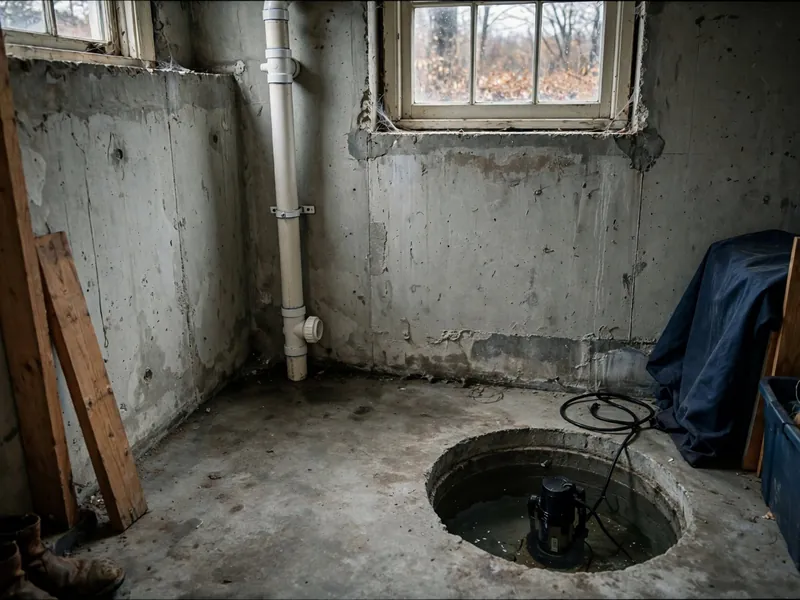
- A valve does not stop water coming through cracks, window wells or a failed sump pump.
Typical prices in Ottawa
| Job | Typical range | Notes |
|---|---|---|
| Backwater valve, Ottawa | $1,800–$3,800 | Regional estimate in Reno Quotes’ national guide |
| Interior install through the basement slab | $1,000–$3,500 | Same guide, Canada-wide |
| Exterior install, excavated from outside | $2,400–$4,800 | Same guide, Canada-wide |
| Building permit | $100–$300 | Same guide; the City rebates 100% of the plumbing permit fee |
| Home plumbing assessment | $300–$600 | Same guide |
| Professional inspection, yearly | $100–$200 | Same guide |
Sources. Reno Quotes, Backwater Valve: How It Works, What It Costs, Canada-wide, updated 29.09.2026, seen 29.10.2026. City of Ottawa: Residential Protective Plumbing program, program FAQ (PDF) and Causes of basement flooding, seen 29.10.2026.
When sewage comes up through the floor drain
Sewage rises through a floor drain, a basement toilet or a laundry tub when water in the City’s sewer climbs above the level of your pipes. The City calls this surcharging. It names a blocked or damaged main, a collapse, heavy rain and nearby construction as causes, and says homes without a valve, or with one that was not maintained, are exposed.
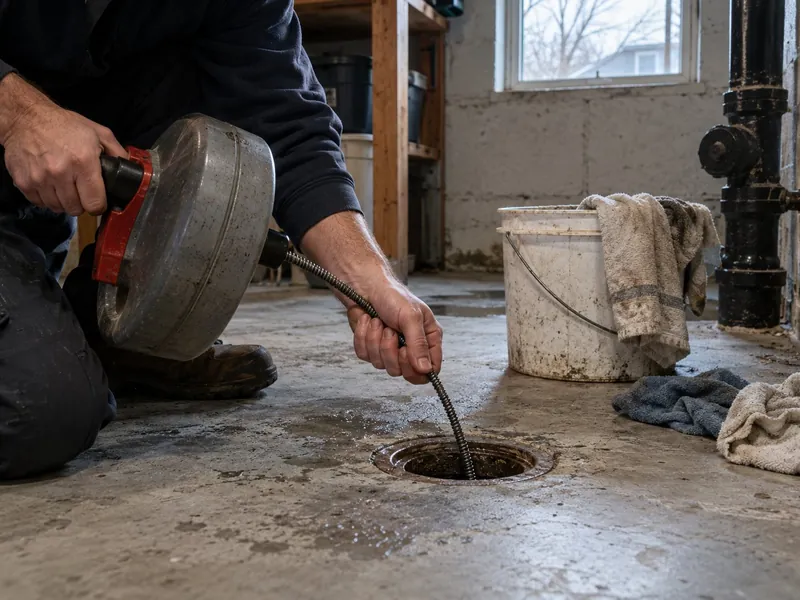
Your pipe can be the cause too. Grease, paper, tree roots, a collapsed lateral and a clogged valve all send sewage back into the house from your side of the property line. A sewer camera inspection shows which case you have. Write in the request when it last happened and what the weather was.
How the valve works
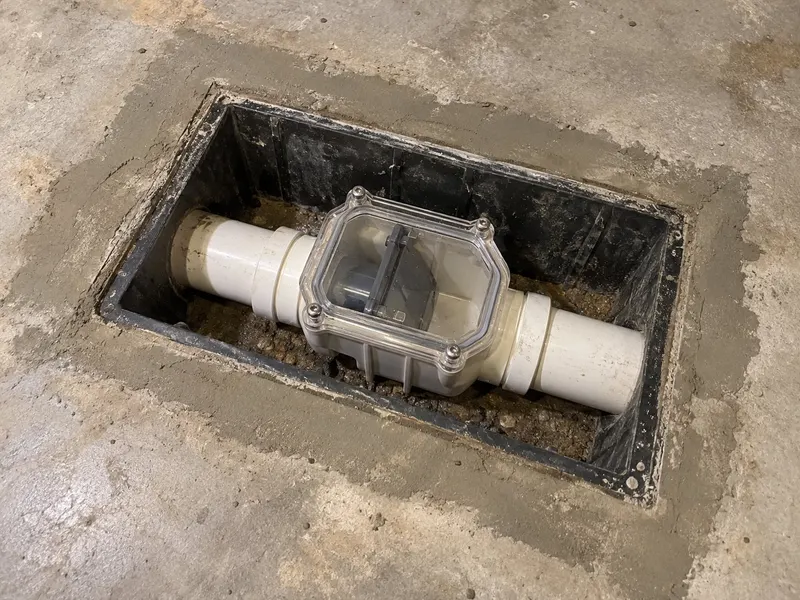
A backwater valve sits on a sanitary or storm lateral and holds a gate. In normal use the gate stays open, parallel to the pipe, and wastewater leaves the house. When the sewer surcharges, the rising water pushes the gate across the pipe and shuts the way back in. A valve may carry an alarm that sounds when the gate is closed.
The City’s rebate program covers three devices: an indoor sanitary valve, an indoor storm valve and an outdoor storm valve. Which one your house needs depends on where the foundation drains and the plumbing connect. In older areas the City describes foundation drains tied to the sanitary sewer, houses with no foundation drains, and a combined sewer under the street. Your plumber reads that on site.
The job and the price
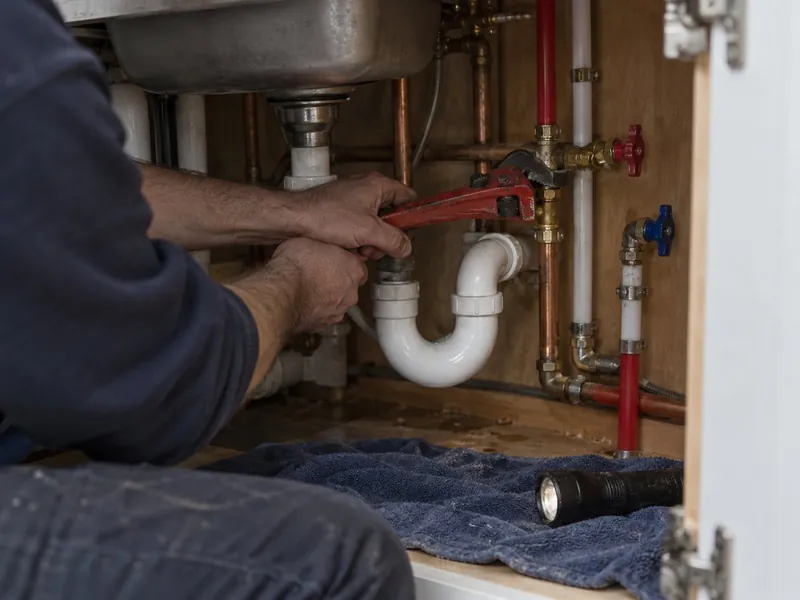
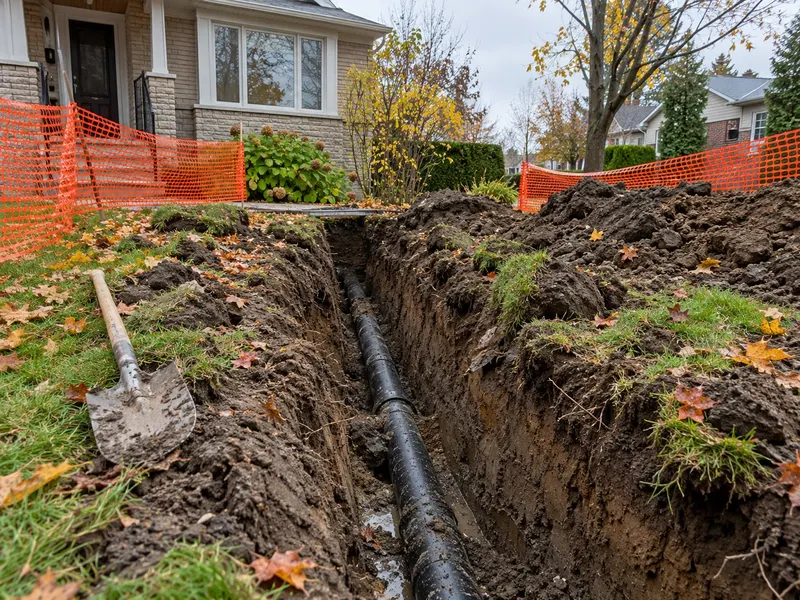
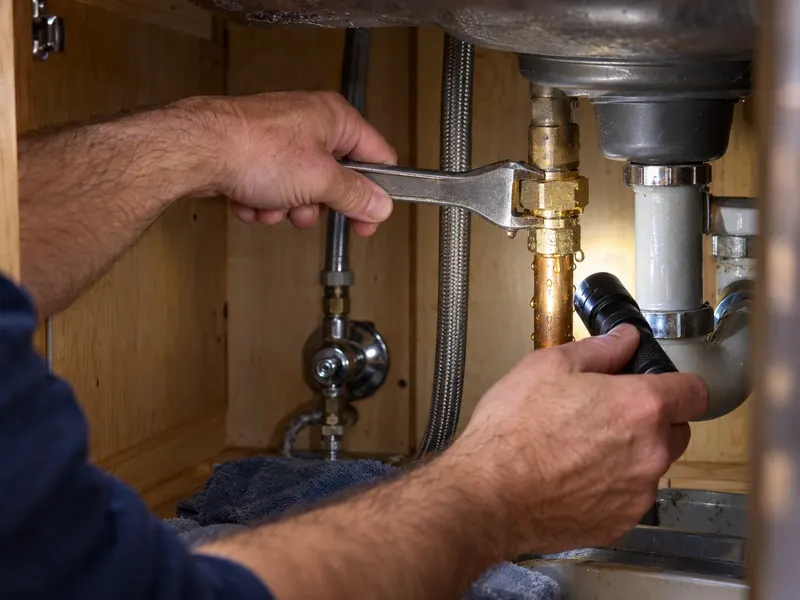
An indoor install means the plumber cuts the concrete slab, digs down to the sewer line, sets the valve, backfills and restores the floor. A national guide puts indoor jobs at $1,000 to $3,500 and outside excavation at $2,400 to $4,800, and gives an Ottawa estimate of $1,800 to $3,800. The price is set after the plumber sees the pipe.
Extras on the same guide: a permit at $100 to $300, a home plumbing assessment at $300 to $600, and a contingency of 15 to 20 percent for surprises once the slab is open. Older homes produce more of those. Ask that slab restoration sits in the quote.
Permit, inspection and the second unit
A building permit is required before the work. The City’s rebate program returns 100 percent of the current plumbing permit fee. When the job is done, you contact the City as the permit instructs to book the inspection. Leave the valve uncovered until the inspector has seen it. The City rebate has its own steps and deadlines, and the permit page covers the wider rules.
A house with a basement apartment needs a separate valve for that unit, according to a national guide that cites Ontario’s Building Code. Tell the company about the second unit when you send the request.
Keeping it working
The City says the owner maintains the device as the manufacturer directs, periodically and before a forecast heavy rain, so it stays free of debris and the cleanout caps and covers stay tight. A plumber can inspect it if you are unsure. Cast iron in an older house is the weak point: the City notes rust collecting on the hinge, which can hold the gate open. A yearly inspection costs $100 to $200 on the national guide. For flood response and who to call, see basement flooding in Ottawa and sump pumps.
Who you are dealing with
The slab cutting, the valve and the permit paperwork are handled by one independent Ottawa plumbing company. Ottawa Plumbing Desk forwards your backup history to it, and its plumber calls to look at the line and quote. Any rebate is the City’s to pay, straight to the owner.
Questions to ask the company
- Is the valve going on the sanitary line, the storm line, or both, and indoors or outdoors?
- Who applies for the building permit and who books the City inspection?
- Where will the access cover sit, and what keeps it clear of flooring and boxes?
- Does the quote include breaking and restoring the slab, and what if the pipe underneath is damaged?
- Will the invoice be itemized and marked paid, as the City rebate application asks?
Have this ready for the call
- The year the house was built, and a photo of the floor drain and the laundry area
- A photo of where the main sewer line leaves the foundation, with a clear metre around it
- A note of every time a drain has backed up: date, weather, what came up
- Whether there is a basement apartment or a second unit in the house
- Your insurer's name and any sewer backup rider you carry
Questions people ask
How do I find out whether I already have a backwater valve?
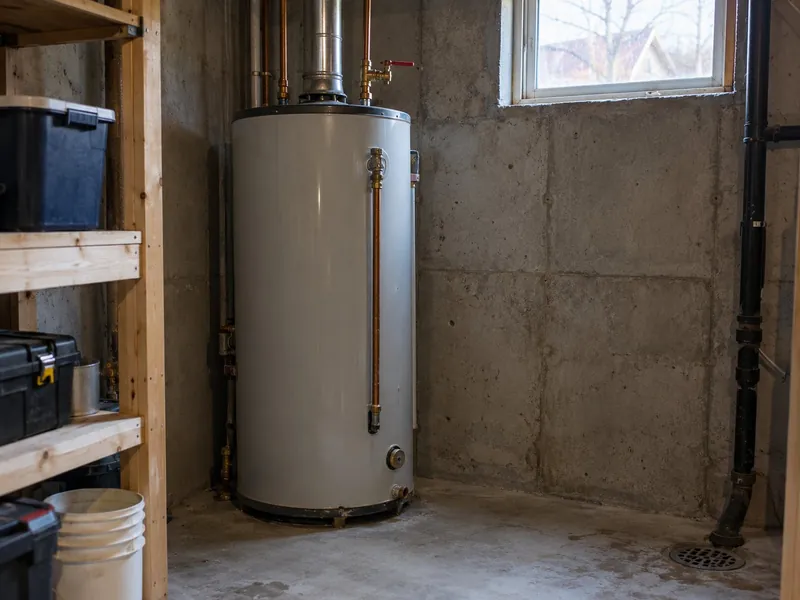
The City says to look between the last branch of the sewer line and the spot where the pipe leaves the foundation. A valve can look like a Y-shaped fitting with the side branch plugged and pointing up. One national guide adds a round plastic access lid in the floor. A valve in the yard is usually buried and can be several feet deep.
The alarm on my valve is sounding. What does it mean?
The City says an alarm tells you the gate has closed and the valve is working as designed, and no fault is present. Hold off on showers, flushing and laundry until the alarm stops and the gate reopens, because water you send down has nowhere to go while it is shut.
Does my basement apartment need its own valve?
A national guide says Ontario’s Building Code allows a valve only on the sanitary lateral serving one dwelling unit, so a basement apartment needs a separate valve. Say in the request that there is a second unit, so the company can plan the line and the permit.
Can I finish the basement over the valve?
The access cover has to stay reachable for checks and cleaning. The City asks owners to keep cleanout caps and access covers secure, and a buried cover turns a routine check into demolition. Tell the renovation crew where it sits before the floor goes in.
Will a valve stop every kind of basement flood?
The City lists what it will not stop: cracks in walls, window wells, failed foundation drains or sump pumps, overflowing eavestroughs, poor lot drainage and water sources inside the house. It closes against sewage coming back up the line during surcharging.