In short
- The City test: run a toilet or sink. Water that comes up the drain is a sewer or lateral problem. A dry drain points to groundwater.
- Call 3-1-1 to report the flood. Someone 18 or older must be home to meet City staff.
- Hydro Ottawa disconnects power on request at 613-738-6400 and waives its fees after flooding.
- Health Canada: a house and its furnishings are less likely to grow mould when dried in the first 48 hours.
Typical prices in Ottawa
| Job | Typical range | Notes |
|---|---|---|
| Unblocking a drain | $124–$8,500 | Ottawa jobs reported by homeowners, average $1,112 |
| Sump pump installation | $3,000–$20,000 | Ottawa jobs reported by homeowners, average $8,050 |
| Water restoration (drying, cleanup of damaged materials) | $1,301–$5,206 | Canada-wide HomeStars guide; billed apart from plumbing |
| Compassionate Grant | $1,000 | City payment for sewer surcharge flooding with proof of damage; the City FAQ says the program is being reviewed |
Sources. City of Ottawa: What to do if your basement has flooded, City response, Causes, Responsibility for the repair costs, Urban Flooding FAQ, Compassionate Grant program, all seen 29.10.2026. Hydro Ottawa, Electrical safety at home, seen 29.10.2026. Health Canada, Flood cleanup, seen 29.10.2026. HomeStars, Plumbing Services Cost Guide for Ottawa, updated 21.08.2026, HomeStars, How Much Does Plumbing Cost? and HomeStars, Drain Pipe Repair Cost, seen 29.10.2026. Insurance Bureau of Canada, Flood and water, seen 29.10.2026.
Where the water comes from
Four sources produce a wet Ottawa basement, and each leads to a different call. The City of Ottawa lists them:
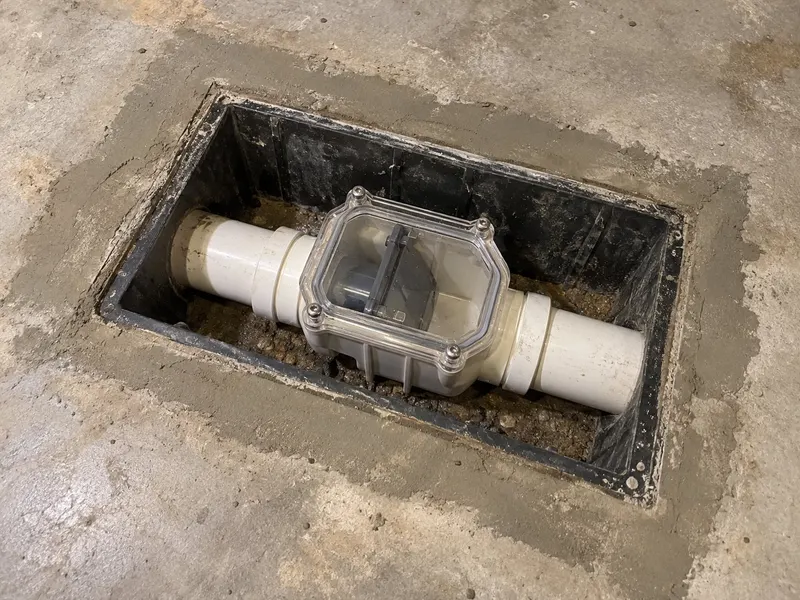
- A blocked or damaged sewer main under the street. Sewage surcharges back into homes that lack a working backwater valve.
- A blocked lateral, the pipe from your house to the main. Grease, paper, roots, a collapse or a clogged backwater valve are the causes on the City’s list.
- Groundwater and snowmelt seeping through cracks and joints in the foundation, or overland water through windows, doors and cracks.
- River flooding in the low areas near water, which the City limits with its spring ice-clearing on the Rideau.
The drain test at the top of the page sorts the first two from the last two.
The first hour
The City recommends these steps, in roughly this order. Avoid running water-using fixtures, since anything sent down a drain may end up in the basement. Report it on 3-1-1 and have an adult at home when City staff arrive. Keep the clean-out clear. Call your insurer, who gives claim advice and names contractors.
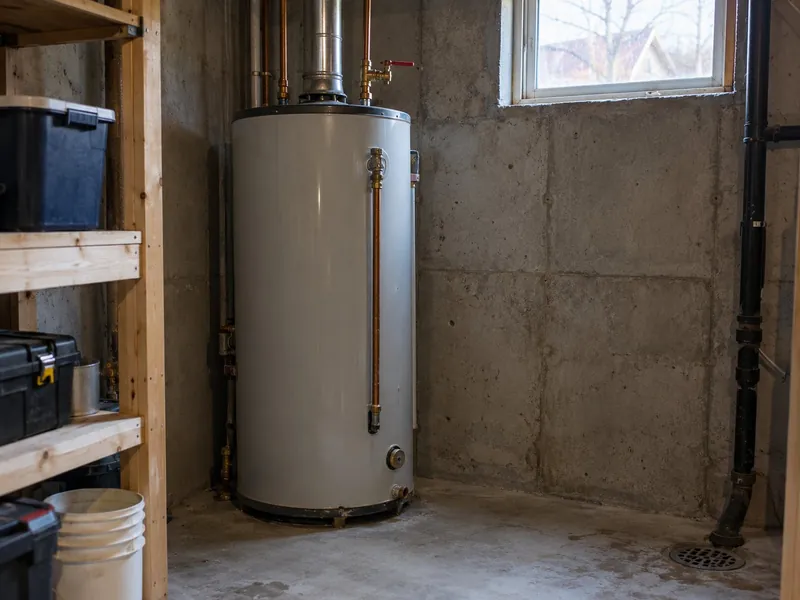
Safety comes first. Stay out of the flooded area until a qualified professional says it is safe. Water at an outlet, cord or baseboard heater means a call to Hydro Ottawa, which disconnects power and waives its fees after flooding. Water rising toward the furnace, water heater or a gas stove means a call to Enbridge Gas. Basement flood water may contain sewage, so wear rubber boots, gloves, safety glasses and a mask.
What the City checks, and what it does not
The City’s crew looks at the main in your street and fixes a fault there as soon as possible. If the problem sits elsewhere, staff may help find it when resources allow. A fault in the home’s own drain system sends you to a plumber. Lateral repairs can fall to the homeowner, the City or both, and the City decides that only after staff have gone through the available information, so keep the plumber’s findings.
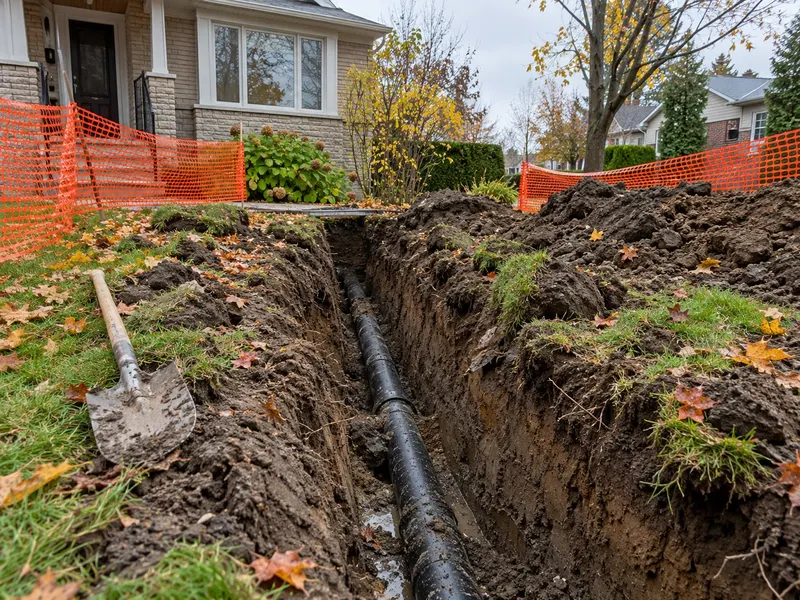
Cost follows the cause. The homeowner generally pays for lateral blockages, unless City-owned tree roots or damage on City property caused them. In that case the homeowner pays nothing, and money already paid comes back up to the City’s usual contractor price. A building permit may be needed for lateral work.
The plumber’s part
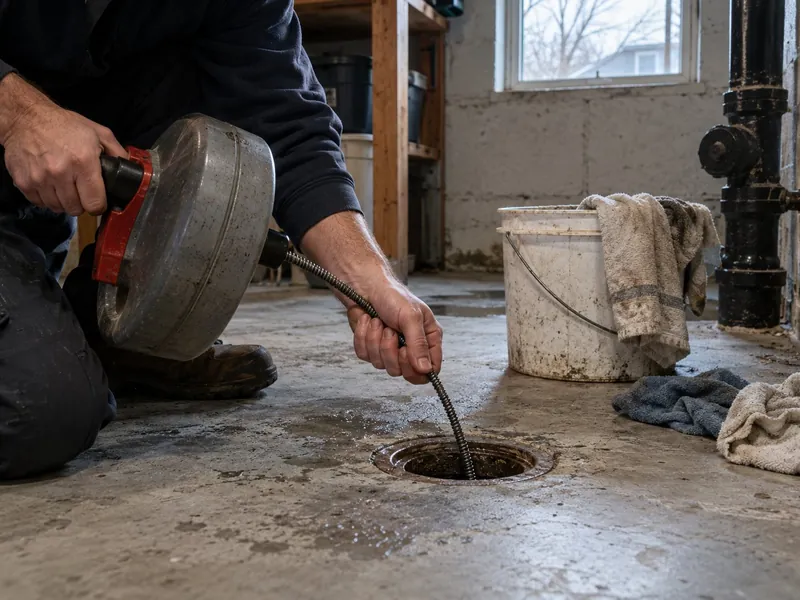
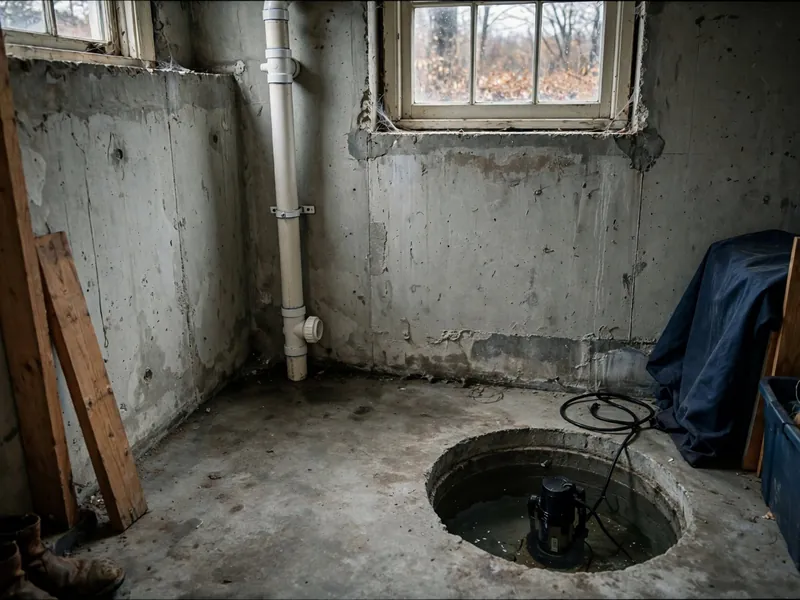
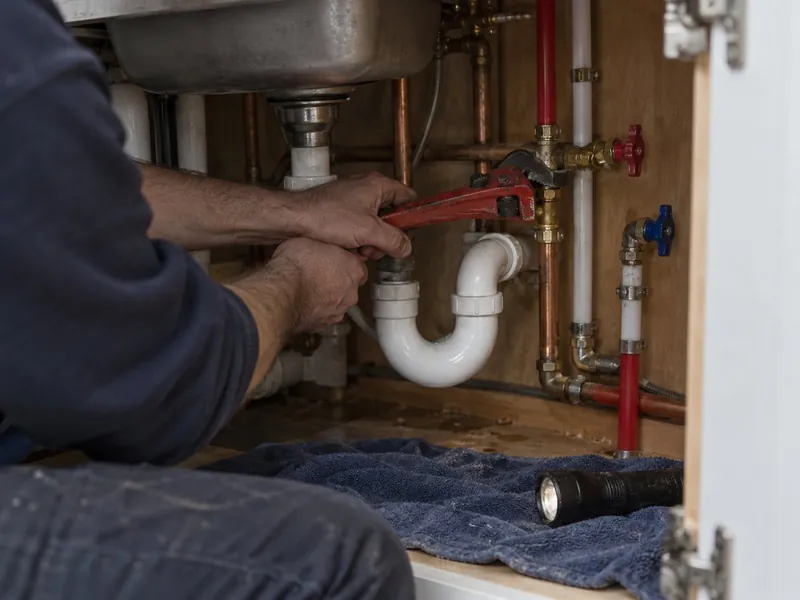
A plumber looks for what the City cannot fix: a blocked lateral, a failed backwater valve, a pump that died, a floor drain with no valve. A drain cleaning clears a blockage, and a camera inspection shows what and where. Repairs to the line are on the sewer line repair page. Protective devices are covered on the backwater valve subsidy and sump pump pages. The City also advises sloping the ground away from the house and keeping sump discharge at least 1.2 metres from the foundation.
Clean-up and the paper trail
Photograph everything first, keep receipts and call your insurer. Insurance Bureau of Canada says sewer backup damage is typically excluded from a standard home policy and offered as an option, with overland flood a separate option.
Who you are dealing with
A flooded basement brings four parties: the City for the main, your insurer for the claim, Hydro Ottawa for the power, and a plumber for the house drains. Ottawa Plumbing Desk covers only the last one, by handing your details to an independent Ottawa plumbing company that calls and quotes.
Questions to ask the company
- How do you find the source of the water before quoting?
- Is a camera run part of your price, and do I keep the footage?
- If the blockage is on City property, will you put that in writing?
- What would stop it happening again, and is each item priced alone?
Have this ready for the call
- The drain test result: did water come up when a toilet or sink ran?
- The clean-out cap location, with one metre cleared on every side
- Photos of the water line and of damaged items, before anything is thrown out
- Your insurance policy number and what it says about sewer backup and overland flood
- The year the house was built, and any backwater valve or sump pump
Questions people ask
How do I tell sewage from groundwater?
The City suggests running a toilet or sink and watching the drain. If that sends water up through a drain, the problem is in the sewer system. If nothing comes up, the City says the water is likely groundwater. Floor water may carry sewage, so treat it as unsafe.
Should I open the sewer clean-out cap?
The City says to find the clean-out caps and not to attempt to open them. They are usually in the basement floor at the front of the house, near the water meter. Keep one metre clear on every side of each cap, free of boxes and furniture, so City staff can reach it.
Will I get power back after a basement flood?
Hydro Ottawa says a licensed electrical contractor must evaluate and repair flood-damaged systems. The contractor takes out a permit, the Electrical Safety Authority inspects, and Hydro Ottawa reconnects once it approves. Keep the Certificate of Inspection for insurance claims.
How long do I have before mould starts?
Health Canada puts the window at 48 hours: dry the house and its contents inside two days and mould is less likely. Anything soaked past saving, such as insulation, drywall or carpet, goes out. Where sewage was in the water, keep children and pregnant women away from it and from what it touched.
Can I use a gas pump or heater to dry the basement?
Health Canada warns that pumps or heaters powered by gasoline, kerosene or propane can build up carbon monoxide in a poorly ventilated room, and asks for a working detector while drying. Flood water near a furnace, water heater or stove is a call to Enbridge Gas.